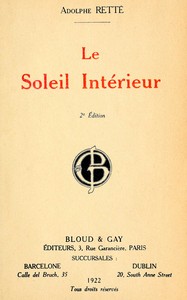
Le soleil intérieur by Adolphe Retté
Okay, let's break this down. Le soleil intérieur (which translates to 'The Interior Sun') is a novel, but it feels more like a philosophical diary set loose in the streets of Paris.
The Story
The book follows a young intellectual, deeply influenced by the Symbolist poetry scene. He's wrestling with a massive crisis of faith. On one side, there's the rigid structure of the Catholic Church, which feels suffocating to his artistic spirit. On the other, there's the intoxicating pull of anarchist politics and radical new art movements that promise absolute freedom. Most of the 'action' happens in his mind and in long, feverish discussions with friends. He's searching for a spiritual light that comes from within himself, not from an institution. The story is his journey through doubt, passion, and a desperate need to believe in something authentic.
Why You Should Read It
Don't come to this for a fast-paced adventure. Come for the raw, unfiltered emotion. Retté writes with a kind of desperate beauty. You get the sense that every word mattered intensely to him. It's a perfect window into the fin-de-siècle mood—that feeling at the end of the 19th century that old rules were breaking and anything was possible, for better or worse. The main character is frustrating and brilliant by turns, which makes him feel real. You're not just watching his struggle; you're in the trenches with him, feeling the weight of his questions.
Final Verdict
This book is a niche gem. It's perfect for anyone fascinated by literary history, the Symbolist movement, or the messy crossroads of art and belief. If you enjoy writers who wear their hearts on their sleeves and aren't afraid of big, messy questions, you'll find a kindred spirit in Retté. It's also a great pick if you like reading primary sources that capture a specific cultural moment. Fair warning: it can be melodramatic and dense in places. But if you're in the right mood, it's a powerful, haunting read about the eternal search for a light to call your own.
This digital edition is based on a public domain text. Use this text in your own projects freely.