1

Hogarth's Works, with life and anecdotal descriptions of his pictures. Volume 1 (of 3) — A Reader’s Guide
(0 User reviews)
202
Project Gutenberg
2016
Not confirmed
Hogarth, William, 1697-1764
Readers of public-domain and historical texts
Project Gutenberg digital edition
en
Edition facts
Words
88,855
Reading time
387 min
Text sections
16
For Hogarth's Works, with life and anecdotal descriptions of his pictures. Volume 1 (of 3) — A Reader’s Guide, the stored edition analysis reports 88,855 words, 6 hr 27 min estimated reading time, and 16 detected text sections.
The text analysis averages about 21.2 words per sentence, while the detected sections provide another way to judge how the source is divided.
Project Gutenberg metadata also associates the work with “Hogarth, William, 1697-1764,” connecting these edition facts with the source record’s subject description.
Source:
Project Gutenberg record #51821
This editorial note examines how the opening, middle, and later excerpts of Volume 1 of Hogarth's Works guide a first reading, focusing on the interplay between biographical narrative, anecdotal description, and the authors' editorial voice.
Read the complete public-domain text at its original source.
Read on Project GutenbergThe volume begins not with a plate but with a full-length portrait of Hogarth painting the Comic Muse, immediately establishing the dual focus of the work: the artist's life and the explication of his pictures. The title page announces the book as a collaborative effort by John Ireland and John Nichols, F.S.A., and the list of plates reveals a chronological progression from Hogarth's early series like The Harlot's Progress to later works such as Industry and Idleness. The opening pages thus orient the reader toward a biographical framework, where each engraving is accompanied by anecdotal descriptions that blend art criticism with historical context.
The Biographical Frame
The early excerpts foreground Hogarth's life as a structuring device. The frontispiece portrait of Hogarth with his dog Trump is described in the list of plates, and the first series includes a full-length portrait of the artist “Engaged in Painting the Comic Muse.” This suggests that the editors intend the reader to view the works through the lens of Hogarth's biography. The inclusion of anecdotes—such as the story of Garrick's first appearance at Goodman's Fields in 1741—reinforces this approach. The editors quote Pope's reaction to Garrick, noting that the poet was “struck with the natural elocution” of the actor. Such details are not merely decorative; they anchor the visual works in specific historical moments and personalities, inviting the reader to consider how Hogarth's art intersected with contemporary theatrical culture.
Anecdotal Descriptions as Interpretation
The middle excerpts demonstrate how the authors use anecdotal descriptions to interpret Hogarth's pictures. In the section on Mr. Garrick in the Character of Richard the Third, the editors analyze the composition by referencing Hogarth's own Analysis of Beauty, quoting his precept that “quantity adds greatness to grace.” They then pivot to a lengthy anecdote about Garrick's rivalry with Quin, complete with an epigram and a soliloquy. This method—moving from formal analysis to biographical narrative—characterizes the editorial voice throughout. The reader is encouraged to see the pictures not as isolated works but as nodes in a network of personal and professional relationships. The anecdote about Pope's visit to Goodman's Fields further illustrates how the editors weave together art criticism and social history, using the picture as a springboard for broader cultural commentary.
The Role of the Viewer in the Text
Later excerpts reveal how the editors position the reader as an active interpreter. The description of The Battle of the Pictures is preceded by a note that the plate is “reduced in exact fac-simile of the original,” emphasizing the fidelity of the reproduction. The text then guides the viewer's eye: “The figures in the distance, two of whom, 'Like sacrifices by their fires of watch, With patience sit, and inly ruminate The morning's danger,' are properly introduced.” By quoting Shakespeare and directing attention to specific elements, the authors model a mode of looking that is both literary and visual. This approach assumes a reader familiar with poetic allusion and willing to engage with the picture as a narrative. The editors also include footnotes that provide additional context, such as the source of the Shakespeare quotation, further enriching the reading experience.
The Editorial Voice and Its Limits
Throughout the excerpts, the editorial voice is authoritative yet conversational, blending scholarly commentary with personal anecdote. The authors frequently use first-person plural (“we”) and address the reader directly, as when they note that “there was some propriety in Hogarth choosing to paint Mr. Garrick in this character.” However, the excerpts also reveal the limits of the editors' knowledge. They do not claim to have access to Hogarth's intentions, instead relying on external evidence such as contemporary accounts and Hogarth's own writings. The inclusion of Quin's epigram and Garrick's reply suggests a willingness to let the historical actors speak for themselves. This restraint lends credibility to the editorial project, as the authors resist the temptation to over-interpret and instead present a range of voices for the reader to weigh.
For a first reading, it is helpful to approach this volume as a guided tour rather than a systematic biography. The editors assume a reader who is curious about both the art and the era, and they provide enough context to make the plates intelligible without overwhelming with detail. Pay attention to the footnotes and the quotations from contemporary sources, as these often contain the most vivid insights. The volume rewards a slow, attentive reading that moves between text and image, allowing the anecdotes to illuminate the pictures and vice versa.
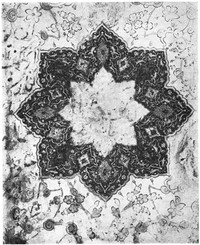
There’s a particular sweetness in how the old editors of Hogarth’s Works pause over a plate, letting the anecdote breathe before pointing at the moral. It reminds me of sitting with a friend who knows when to stop explaining. That same patient, unhurried companionship lingers in The Arts of Persia & Other Countries of Islam — Edition Insights, where every pattern feels like a quiet hand guiding you home.
There are no reviews for this eBook.
There are no comments for this eBook.
Reader reflection
How did this book work for you?
Your answers remain private and are stored only in this browser.
Your progress
0
/
10
2
Did this book hold your interest?
3
Is this a title you would suggest to others?
4
How much effort did this book require?
5
Was the book moving at the right speed?
6
Could you follow the author’s main argument?
7
Did anything about the book feel genuinely new?
8
Would you start a conversation about this book?
9
What did this book teach you most?
10