
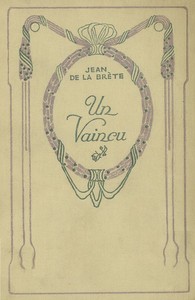
Un vaincu by Jean de La Brète
The Story
The story follows André de Nangis as he returns to his family estate in the French countryside after the war. He fought for the royalists, who wanted to restore the monarchy, but they lost. The new French Republic is in charge now. For André, the war is over, but the battle is just beginning.
His homecoming is a minefield. His own brother is a staunch republican, and their political differences create a cold war within the family. The wider community views André with suspicion or pity as a 'defeated man.' The central tension, however, revolves around his love for Claire de Fresnay. Claire's family are passionate republicans. Their romance becomes a symbol of the national divide—can personal affection bridge a gap carved by ideology and war? The plot watches André navigate this landscape of subtle hostility, personal shame, and the struggle to find his place in a changed world.
Why You Should Read It
I was completely drawn in by how personal this story feels. Jean de La Brète takes a huge historical moment—the birth of modern France—and makes it about one man's kitchen-table drama. You feel André's isolation in your bones. It's in the way his old friends don't know what to say to him, and in the painful politeness at family gatherings.
The book is a masterclass in showing how politics tear communities apart from the inside. It’s not about grand speeches; it's about a father and son who can't discuss the news, or neighbors who suddenly stop waving. André's quiet dignity in the face of this is what makes him so compelling. He's not trying to win an argument; he's just trying to live with his choices. Claire is also far from a passive love interest. Her internal conflict between her heart and her family's beliefs gives the story its emotional heartbeat.
Final Verdict
This is a hidden gem for readers who love character-driven historical fiction. If you enjoy stories about the aftermath more than the battle—the messy, human process of picking up the pieces—you'll adore this. It’s perfect for anyone who has felt out of step with the times or wrestled with loyalties that others don't understand. While it's set in 19th-century France, the themes of reconciliation, family strife, and finding your identity after a loss feel incredibly current. Don't go in expecting sword fights and drama; come for the quiet, powerful story of a man learning that defeat isn't the end of his story.
This content is free to share and distribute. You can copy, modify, and distribute it freely.
James Clark
1 year agoHonestly, the arguments are well-supported by credible references. Definitely a 5-star read.




Melissa Perez
1 year agoAs someone who reads a lot, it provides a comprehensive overview perfect for everyone. Truly inspiring.